Oh, German Quark Balls! Seriously, if you haven’t tried these little bites of heaven, you’re missing out. They’re just one of those classic German treats that instantly makes you feel cozy and happy. We’ve been making these for ages, and honestly, there’s just something so satisfying about their slightly crisp outside and wonderfully soft, tangy inside. They’re perfect for coffee time, a little afternoon pick-me-up, or even as a simple dessert. Trust me, this recipe is a winner and it’s all about using good, simple ingredients that you probably already have!
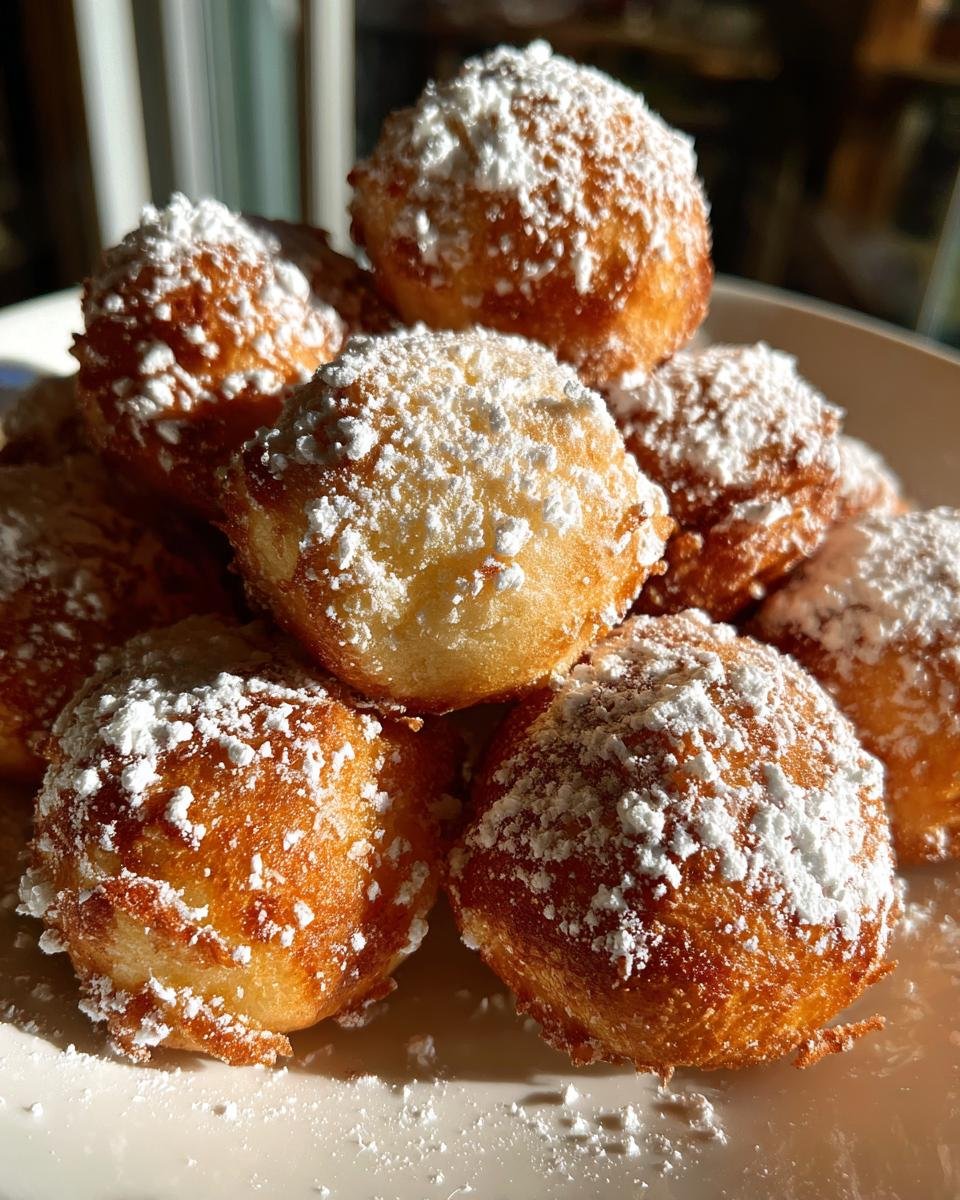
Warum Sie dieses Rezept für German Quark Balls lieben werden
You’ll love this recipe because it’s:
- Super quick to whip up – perfect for when you need a treat fast!
- Incredibly easy, even if you’re new to baking.
- Tastefully traditional, just like Grandma used to make.
- Absolutely delicious – a guaranteed crowd-pleaser!
Die Geschichte hinter unseren German Quark Balls
I remember my Oma making these Quarkbällchen whenever we visited. Her kitchen would fill with this amazing, slightly sweet, slightly tangy aroma. She always said the secret was using good, fresh Quark and not overworking the dough. It’s a recipe passed down, a little piece of our family’s baking history that brings back so many warm memories. It’s more than just a recipe; it’s a taste of home.
Die Zutaten für Ihre perfekten German Quark Balls
Okay, let’s talk ingredients! It’s really important to get these right for the best Quarkbällchen. First up, you’ll need 500g Magerquark. Make sure it’s the low-fat kind, it really makes a difference in the texture. Then, grab 3 große Eier – fresh ones are always best. For sweetness, we’re using 100g feiner Zucker, but you can totally add a little more if you have a super sweet tooth, just a heads-up! A classic touch comes from 1 Päckchen Vanillezucker and the zest from one organic lemon – that citrusy kick is just divine. For the structure, we need 250g Weizenmehl, Type 405, which is your standard all-purpose flour. And don’t forget 1 Teelöffel Backpulver to give them a little lift. Of course, you’ll need plenty of Pflanzenöl zum Frittieren, like rapeseed oil, and a good dusting of Puderzucker at the end. Simple, right?
Schritt-für-Schritt: So gelingen Ihre German Quark Balls
Alright, let’s get down to business! Making these Quarkbällchen is actually super straightforward, and once you get the hang of it, you’ll be whipping them out like a pro. It’s all about a few key steps.
Vorbereitung der Quarkmasse für German Quark Balls
First things first, let’s make that glorious Quark dough. Grab a big bowl – you know, the one you feel most comfortable working with. Dump in your 500g Magerquark, then crack in those 3 large eggs. Add the 100g sugar, that lovely vanilla sugar, and the zesty lemon peel. Now, give it all a really good whisk or stir until it’s nice and smooth. Seriously, get in there and make sure it’s all combined well. In a separate bowl, whisk together your 250g flour and the 1 teaspoon of baking powder. It’s important to mix the dry stuff together first so the baking powder is evenly distributed. Then, gradually add this dry mixture to your wet Quark mixture. Mix it gently until you have a lovely, smooth batter. Don’t overmix, though! Just until everything is incorporated. The batter should be thick, almost like a very thick pancake batter, but it shouldn’t be runny. If it feels a little too wet, you can add a tiny bit more flour, maybe a tablespoon, but be careful not to make it too stiff.
Das Formen und Frittieren der German Quark Balls
Now for the fun part – shaping and frying! You’ll need a pot for frying, and make sure it’s deep enough. Fill it about halfway with your neutral plant oil, like rapeseed oil. We need to get that oil nice and hot, but not smoking hot. Aim for around 170-180°C (340-350°F). If you don’t have a thermometer, test it by dropping a tiny bit of batter in; it should sizzle immediately and float to the top, turning golden brown in about a minute or two. Now, for the shaping – this is where the classic technique comes in. Grab two teaspoons. Dip one spoon into the batter and scoop up a good amount, then use the other spoon to push it off into the hot oil. It’s a little art, but you’ll get the hang of it! Don’t overcrowd the pot; fry them in batches so the oil temperature stays consistent. They’ll puff up and turn beautifully golden brown. Keep turning them gently with a slotted spoon so they cook evenly on all sides. This usually takes about 3-4 minutes per batch. Watch them closely – they can go from perfect to burnt pretty fast!
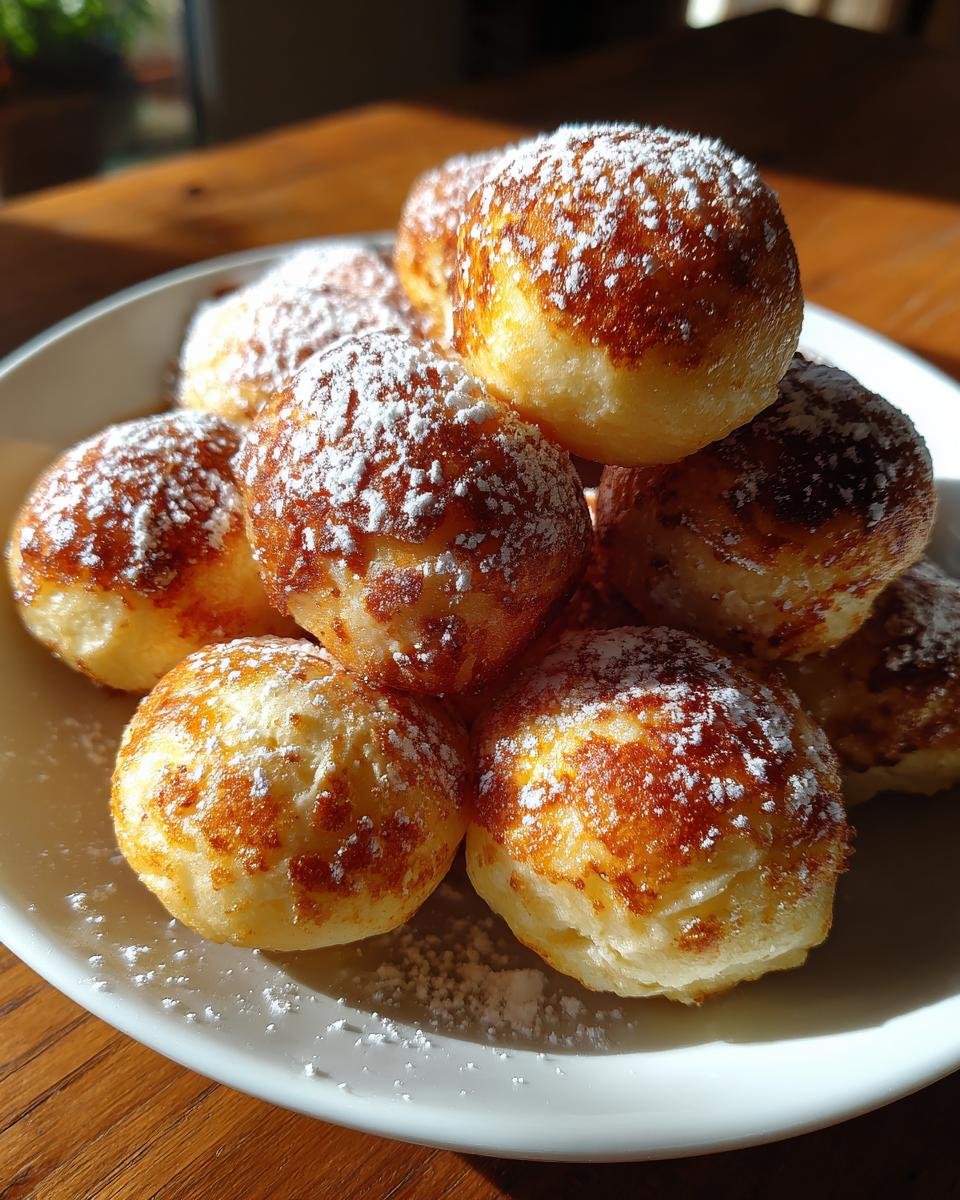
Das perfekte Finish für Ihre German Quark Balls
Once those little golden beauties are perfectly browned, carefully lift them out of the oil with a slotted spoon or a spider strainer. Let them drain on a plate lined with kitchen paper for a minute or two. This gets rid of any excess oil. Then, while they’re still warm, give them a generous dusting of powdered sugar. Oh, it’s just the best! The warmth of the balls makes the sugar stick beautifully. Serve them up immediately while they’re still warm and slightly crisp on the outside, but wonderfully soft and tender inside. They are truly irresistible this way!
Tipps für den Erfolg Ihrer German Quark Balls
Want your Quarkbällchen to be absolutely perfect every time? I’ve got a couple of little secrets! First off, that oil temperature is key. If it’s not hot enough, they’ll soak up oil and be greasy. Too hot, and they’ll brown too quickly on the outside and be doughy inside. Try to keep it as steady as you can between 170-180°C. If you don’t have a thermometer, listen for that happy sizzle when the dough hits the oil! Also, the batter consistency really matters. It should be thick enough to scoop with a spoon without running everywhere. If it seems too thin, don’t panic! Just stir in another tablespoon of flour. A slightly thicker batter means they’ll hold their shape better and won’t spread out too much in the oil. Happy frying!
Variationen für Ihre German Quark Balls
While these German Quark Balls are perfect as they are, I love to play around with them a little! For an extra layer of cozy flavor, try adding about half a teaspoon of cinnamon or a tiny pinch of nutmeg directly into the batter along with the dry ingredients. It gives them a lovely warmth, especially nice on a chilly day. You could also try adding a tablespoon of finely chopped candied orange peel for little bursts of citrusy sweetness. Just remember, any additions might slightly change the batter consistency, so adjust your flour if needed!
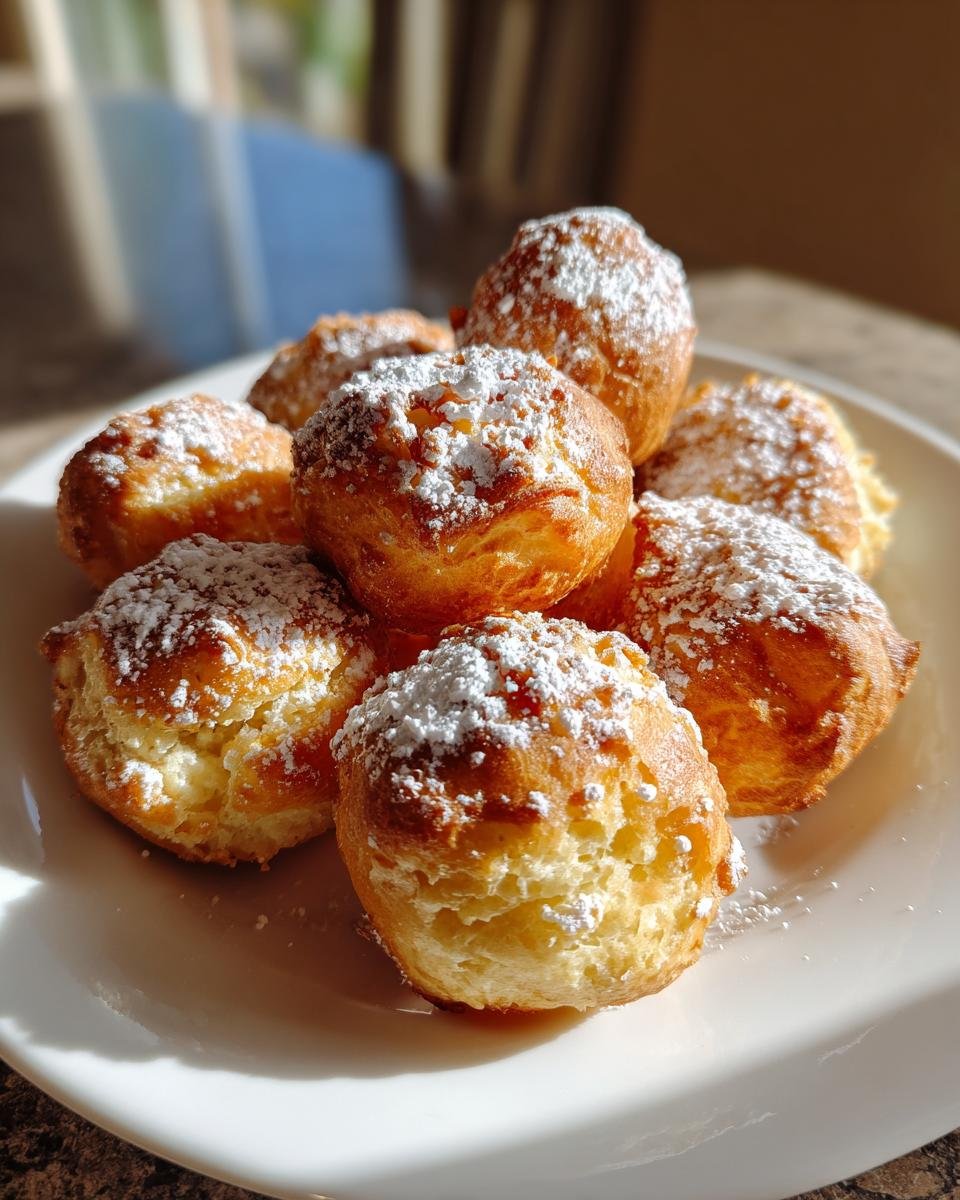
Häufig gestellte Fragen zu German Quark Balls
Got questions about these little delights? I totally get it! It’s always good to know a few things beforehand. Let’s clear up some common queries about making these yummy German Quark Balls.
Wie lagere ich German Quark Balls am besten?
Okay, so these Quarkbällchen are honestly best eaten fresh and warm, right out of the oil! But if you happen to have leftovers (which is rare in my house!), you can store them in an airtight container at room temperature for about a day. They might lose a little bit of their crispness, but they’ll still be tasty. To reheat them and get them a bit closer to their original glory, pop them in a toaster oven or a regular oven at around 150°C (300°F) for a few minutes until they’re warmed through. Microwaving can make them a bit chewy, so I’d skip that!
Kann ich den Quark für German Quark Balls ersetzen?
That’s a great question! Quark is pretty unique, and it’s really what gives these German Quark Balls their signature tangy flavor and soft texture. However, if you absolutely can’t find Quark, you could try using a thick, plain Greek yogurt or even a very thick, strained cottage cheese. You might need to adjust the flour a bit because the moisture content can vary. Just remember, it won’t be exactly the same, but it can still be a delicious alternative! Make sure whatever you use is quite thick and not too watery.
Informationen zur Nährwertschätzung von German Quark Balls
Just a little heads-up, these numbers are estimates, okay? But roughly, one of these delicious German Quark Balls packs about 150 calories. You’re looking at around 7g of fat, with about 2g of that being saturated. They’ve got about 18g of carbohydrates and a decent 4g of protein. And for the sweetness, expect around 8g of sugar per ball. Enjoy responsibly!
Print
German Quark Balls: 3 geheime Zutaten
- Total Time: 25 Minuten
- Yield: ca. 20 Stück
- Diet: Vegetarian
Description
Einfache und leckere Quarkbällchen, ein traditionelles deutsches Gebäck.
Ingredients
- 500g Quark
- 3 Eier
- 100g Zucker
- 1 Päckchen Vanillezucker
- Schale einer Zitrone
- 250g Mehl
- 1 Teelöffel Backpulver
- Öl zum Frittieren
- Puderzucker zum Bestäuben
Instructions
- Quark, Eier, Zucker, Vanillezucker und Zitronenschale in einer Schüssel verrühren.
- Mehl und Backpulver mischen und unter die Quarkmasse rühren, bis ein glatter Teig entsteht.
- Öl in einem Topf erhitzen.
- Mit zwei Teelöffeln kleine Klößchen aus dem Teig formen und vorsichtig ins heiße Öl geben.
- Die Quarkbällchen von allen Seiten goldbraun frittieren.
- Mit einem Schaumlöffel herausnehmen und auf Küchenpapier abtropfen lassen.
- Mit Puderzucker bestäuben und servieren.
Notes
- Für eine süßere Variante mehr Zucker hinzufügen.
- Der Teig sollte nicht zu lange stehen, da er sonst flüssiger wird.
- Die Temperatur des Öls sollte konstant bleiben, um gleichmäßige Ergebnisse zu erzielen.
- Prep Time: 15 Minuten
- Cook Time: 10 Minuten
- Category: Dessert
- Method: Frittieren
- Cuisine: Deutsch
Nutrition
- Serving Size: 1 Stück
- Calories: ca. 150 kcal
- Sugar: ca. 8g
- Sodium: ca. 50mg
- Fat: ca. 7g
- Saturated Fat: ca. 2g
- Unsaturated Fat: ca. 5g
- Trans Fat: 0g
- Carbohydrates: ca. 18g
- Fiber: ca. 1g
- Protein: ca. 4g
- Cholesterol: ca. 40mg
Keywords: Quarkbällchen, Quark, Gebäck, Süßspeise, traditionell, deutsch